Photography
The light before six
The camera matters less than you think. When you press the shutter matters far more.
People often ask which camera to buy for a safari. It is the wrong first question. The single biggest difference between the photographs travellers are proud of and the ones they quietly delete is not the equipment — it is the light, and the light is decided by the clock. The hour after sunrise and the hour before sunset do more for an image than any lens.
Why the early start is non-negotiable
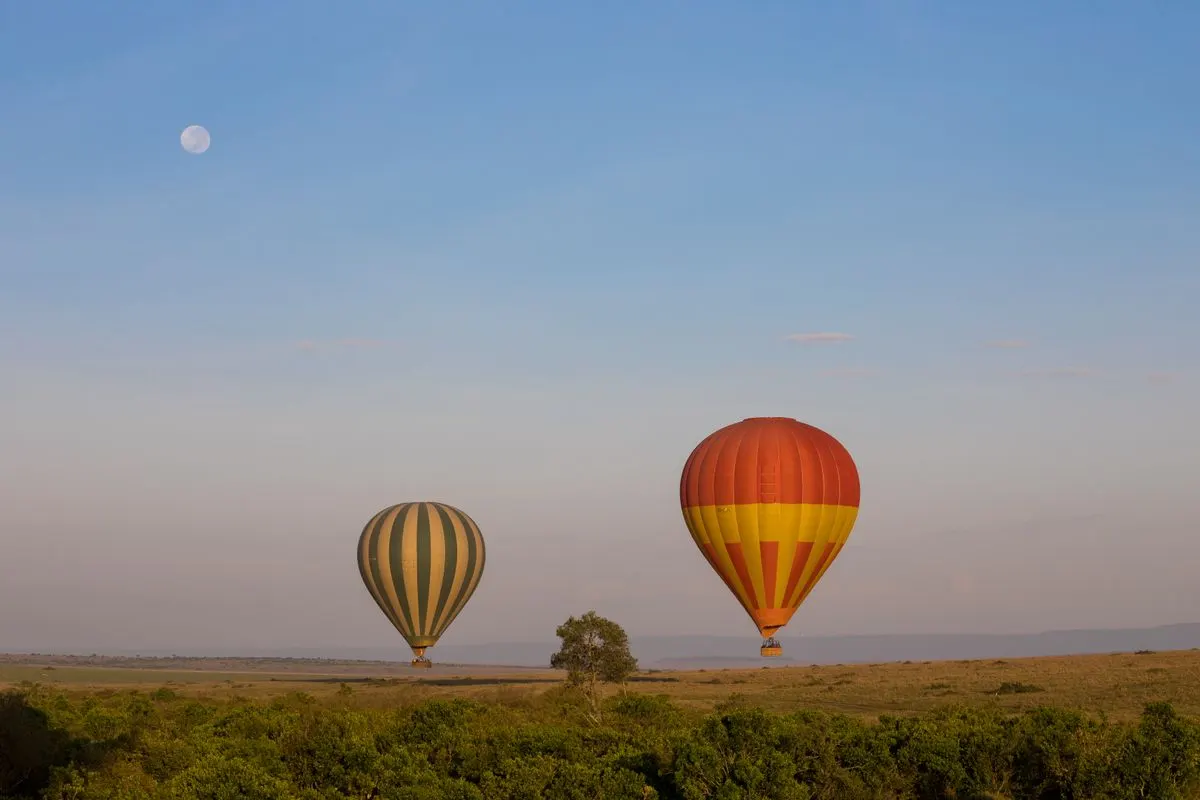
In that first ninety minutes the sun is low and the light is warm, soft and directional. It wraps around a lion’s mane, catches the dust behind a moving herd, and turns a flat plain into something with depth. An hour later the sun is high, the light goes hard and colourless, shadows fall straight down, and the animals — sensibly — go to sleep in the shade. This is also, not coincidentally, when the predators are most active. The early alarm is the price of admission to the entire show.
Good light forgives an ordinary camera. Bad light flatters nothing, however expensive.
A few things that genuinely help
- Shoot with the sun behind you for rich colour and detail; then try shooting into it for rim-lit, dust-and-silhouette drama. Two very different photographs from the same sighting.
- Get low. Ask your guide to position the vehicle so you are closer to the animal’s eye level — it transforms a snapshot-from-above into a portrait.
- Keep your shutter speed up for anything moving. A beautifully lit but blurred cheetah is still a blurred cheetah.
- Be patient at a sighting. The picture is usually the moment after the one everyone else has already photographed — the yawn, the turn, the interaction.
Let the guide do half the work
A guide who understands photography is worth more than another stop of aperture. The angle to the sun, the distance that keeps an animal relaxed, the patience to wait at a sighting rather than rush to the next — this is craft, and it is why a private vehicle matters so much for anyone serious about their images. Bring whatever camera you own, even the one in your phone. Then be out there in the light before six, and let the morning do the rest.
Continue reading
- Field notesReading the migration, not chasing itThe crossing is not a date in a calendar. It is a response to rainfall two hundred kilometres away — which is why the herds are never quite where the brochures promise.Read
- PracticalWhat vegetarian actually means in a bush kitchenMost camps will say yes. Fewer understand what the question is really asking.Read
- Family travelThree generations, one vehiclePlanning a safari that works for a nine-year-old and a seventy-nine-year-old on the same drive.Read
The fire is lit
Ready to Begin Your African Adventure?
Speak with our safari experts and let us design a journey you will remember for a lifetime — the route, the camps, and an honest view of what the season will give you.
No obligation · Personal reply within 24 hours · Tailor-made for your family
Peak migration season (July–October) fills months in advance — the best camps go first. If you are thinking about next year, now is the time to talk.